Half a Century of Care
The MomDoc Story, 1976–2026
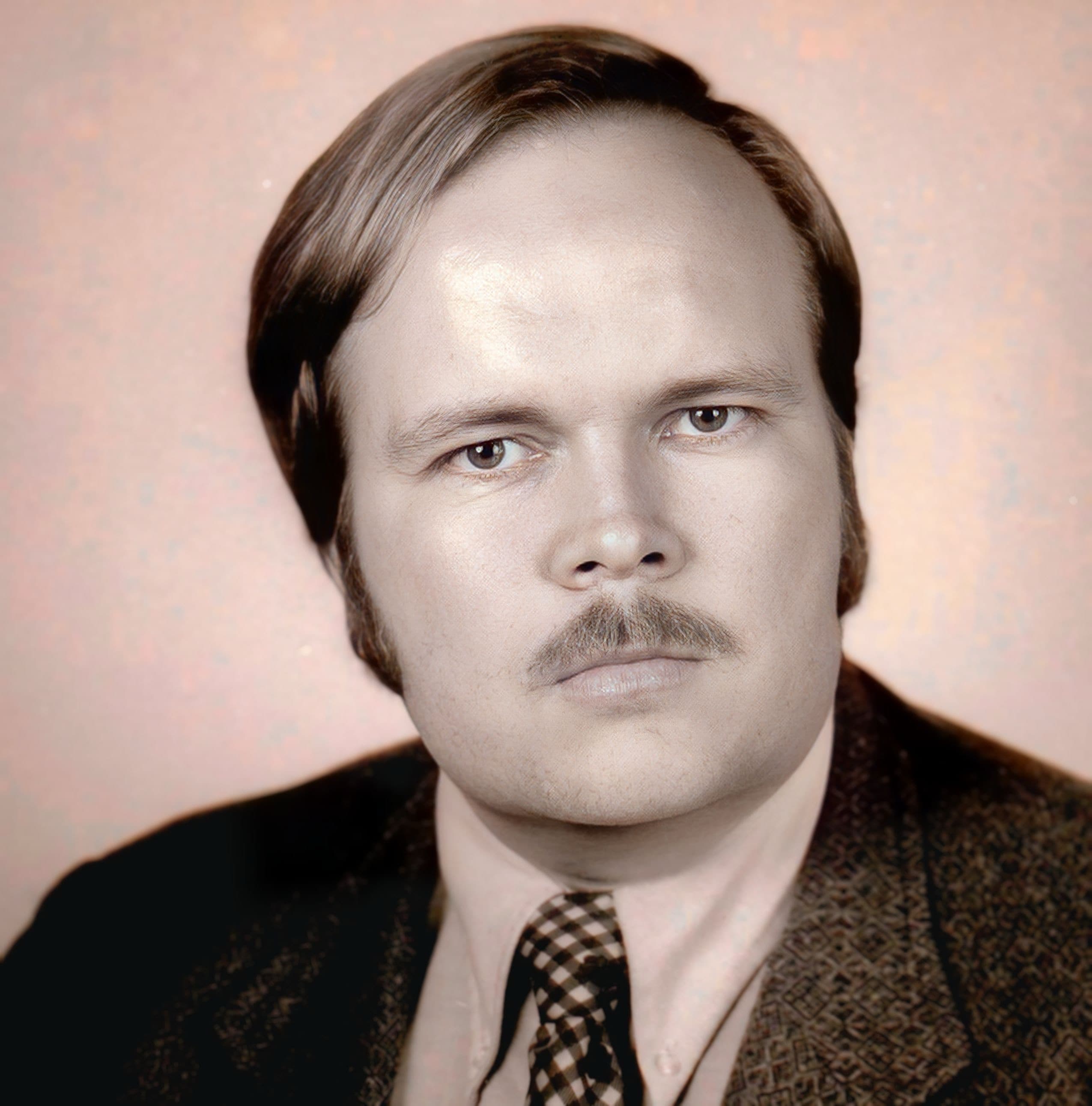
When Dr. Clifford James Goodman Jr. opened his solo obstetrics and gynecology practice in Chandler, Arizona, on June 23, 1976, the surrounding landscape was dominated by cotton fields and dairy farms. Chandler was a quiet community of just 20,000 people. Today, fifty years later, Chandler is a thriving hub of the Silicon Desert, and that single clinic has blossomed into MomDoc — the largest and most trusted women's healthcare group in the state of Arizona.
Our foundation was built on a multi-generational legacy of civic duty and medical excellence. Dr. Goodman Jr. inherited a passion for healing from his father, Dr. Clifford Goodman Sr., a beloved Chandler family physician in the 1950s, and his grandfather, a pharmacist and five-term mayor of Mesa. Following his service as a United States Navy medical officer, Dr. Goodman Jr. returned to the East Valley with a simple promise: to provide world-class, compassionate care to the women of his community.
50 Years of Milestones
From a pharmacist-mayor's grandson to Arizona's dominant women's health enterprise.
Birth of Dr. Goodman Sr.
Clifford James Goodman Sr. is born, establishing the generational medical lineage that would anchor the practice in Arizona.
Birth of Dr. Goodman Jr.
Born April 11 in Washington, D.C., while his father completed medical studies at George Washington University.
Goodman Family Practice Opens
Dr. Goodman Sr. opens a family medical practice in Chandler, AZ (population 3,800), becoming a community cornerstone.
Passing of Dr. Goodman Sr.
Forces 18-year-old Clifford Jr. to return to Arizona to support his seven younger siblings, cementing his ties to the Valley.
Dr. Goodman Jr. Graduates Med School
Graduates from George Washington University with the Kane-King Obstetrical Society Award for outstanding achievement in OB/GYN.
Solo Practice Founded (June 23)
Following his Navy service, Dr. Clifford Goodman Jr. opens his solo OB/GYN practice in Chandler. The Silicon Desert is dawning.
Intel Arrives in Chandler
Intel locates operations in Chandler, triggering a massive population boom of young, reproductive-age families.
Dr. Scott R. Partridge Joins
Dr. Scott R. Partridge joins the Chandler office, forming the foundational partnership ("Goodman & Partridge") that would guide the organization for decades.
Clinical Firsts at Chandler Regional
The practice performs the hospital's first vaginal delivery, first C-section, and first general surgery. Also delivers the only two sets of triplets ever born at the facility.
Transition to Corporate Entity
The partnership officially transitions to a corporate LLC/LTD structure on July 13, managing the growing complexities of healthcare administration.
Nick Goodman Appointed CEO
Initiates the corporatization era. At the time: 2 physicians, 1 office. His "Switzerland" philosophy would transform the practice statewide.
Dr. Partridge Elected Chief of Staff
Elected at Chandler Regional Hospital. Goodman and Partridge remain the only two OB/GYNs to ever serve as Chief of Staff in the hospital's history.
Pioneer of the Electronic Health Record (EHR)
MomDoc becomes an early adopter of the Electronic Health Record, improving patient safety and care coordination years ahead of the industry standard.
Rebranding to MomDoc
The name "Drs. Goodman & Partridge" worked in Chandler but couldn't scale. "MomDoc" is born — accessible, memorable, and infinitely expandable.
MomDoc Midwives Opens (June)
Launch of a targeted practice dedicated to holistic, midwifery-led care for mothers seeking lower-intervention birth experiences.
Mi Doctora Opens (September)
Launch of a culturally tailored practice serving the rapidly growing Spanish-speaking community with seamless, bilingual care.
Women For Women Opens (October)
Launch of the Women For Women practice, providing an all-female provider environment for patients specifically requesting female-led care.
IT Modernization & Expansion
The practice outgrows its 50-provider EHR license. Provider count reaches 58, with projections of 65+ imminent.
E-Visit & Pandemic Readiness
The proprietary "Living Room" model proves perfectly adapted for COVID-19 social distancing. Virtual Visits launch via eVisit.
50th Anniversary (June 23)
16+ clinics, 70+ providers, 360+ employees. Launch of modernized digital architecture and the celebration of half a century of care.
A Multi-Generational Legacy
The story begins not in 1976, but decades earlier. Dr. Goodman Jr.'s grandparents, Clara Platt and George Nicholas Goodman, were both trained pharmacists. Their dedication to pharmaceutical science established a baseline for community health advocacy in early twentieth-century Arizona. George transcended his role as a pharmacist to serve as the Mayor of Mesa, Arizona, across five distinct terms spanning the 1930s, 1940s, and 1950s — inextricably intertwining the family name with civic duty, municipal infrastructure, and public trust.
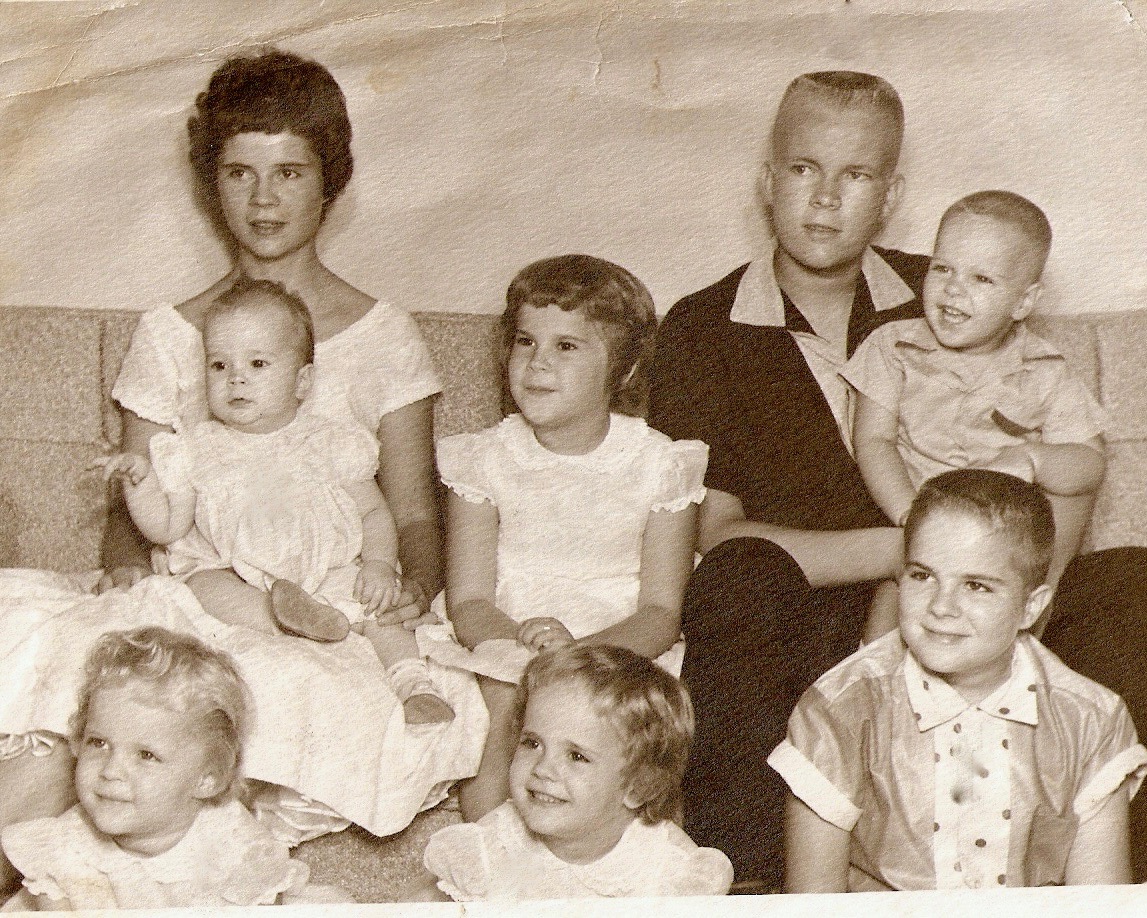
This environment deeply influenced their son, Dr. Clifford James Goodman Senior. Born in 1921, Dr. Goodman Sr. pursued medicine at the George Washington University School of Medicine in Washington, D.C. He returned to the Southwest to establish a family medical practice in Chandler in 1951, when the town held barely 3,800 residents. At the time, Chandler was a modest farming community sustained by cotton fields and dairy farms. Dr. Goodman Sr. became a cornerstone of this community, providing foundational medical care to a localized, agrarian population.
Tragically, his tenure was cut short. Shortly after the family held a "Life Begins at Forty" celebration, Dr. Goodman Sr. passed away in 1961 — leaving his eighteen-year-old son, Clifford Jr., as the eldest of eight children. This premature death fundamentally altered the trajectory of the younger Goodman's life.
The Making of a Physician
Born on April 11, 1943, in Washington, D.C., while his father was completing medical studies, Clifford James Goodman Jr. was seemingly destined to inherit the family's medical mantle. Displaying early intellectual rigor, he skipped the eleventh grade and graduated as salutatorian of Chandler High School in 1960.
Earning an academic scholarship, he initially enrolled at the prestigious University of Chicago. However, following the sudden death of his father, immense familial pressures necessitated a return to Arizona. To be closer to his grieving mother and seven younger siblings, he transferred to the University of Arizona and later Arizona State University.
Between 1963 and 1965, his academic trajectory paused when he elected to serve a full-time LDS mission in Germany. This period in Europe cultivated a lifelong fluency in the German language and introduced him to his future wife, Herta Ingeborg Nadina Hofstätter, whom he met in Hamburg. The couple married in August 1966.
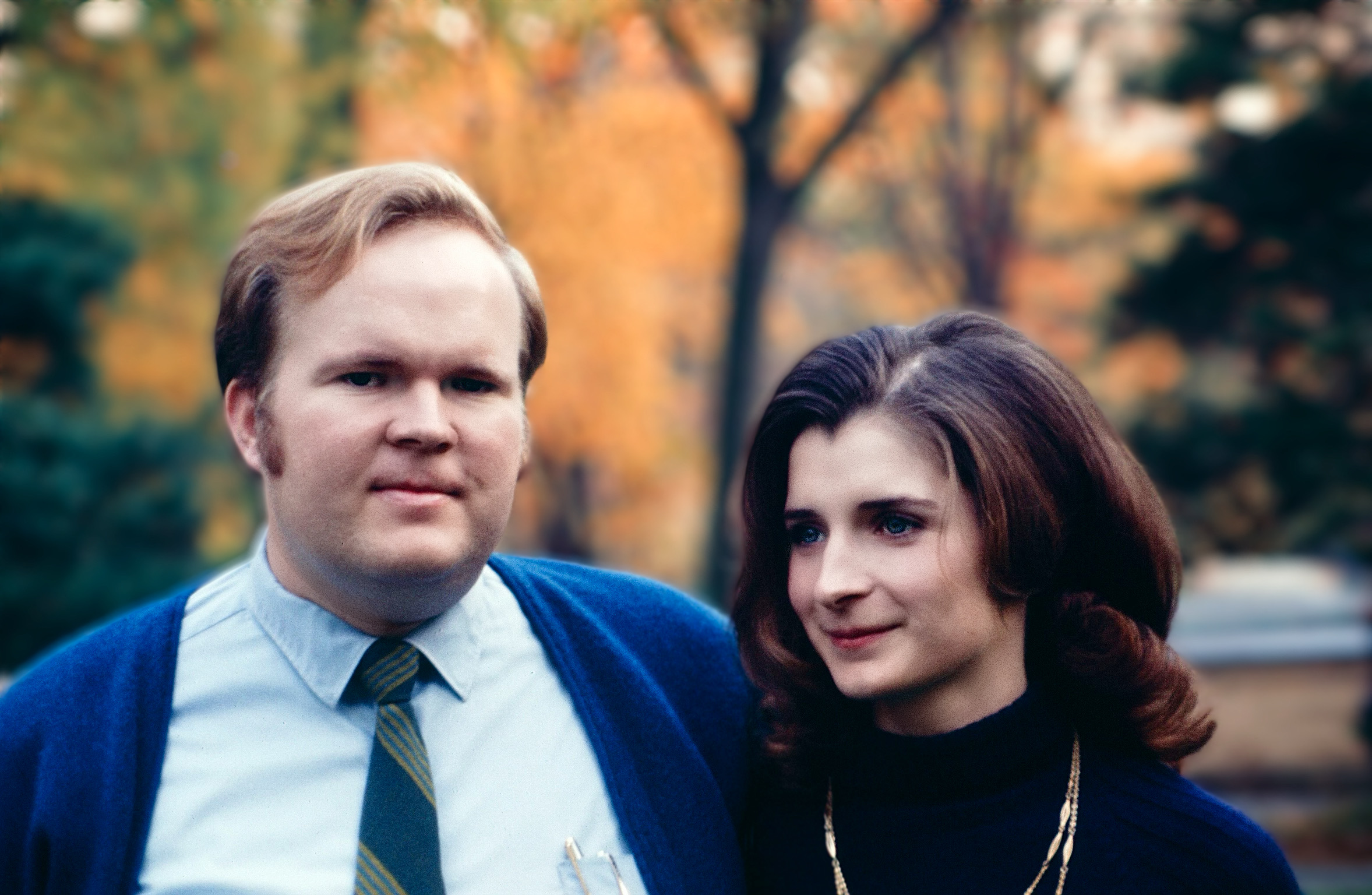
Following his father's footsteps, Dr. Goodman Jr. attended George Washington University School of Medicine, earning his M.D. in 1971. His profound aptitude for women's healthcare was recognized early: during his senior year, he received the Kane-King Obstetrical Society Award — distinguishing him as the outstanding senior student in Obstetrics and Gynecology. He remained in Washington to complete his specialty residency at GWU Hospital, finishing in the spring of 1974.
Military Medicine and Operational Discipline
Following residency, Dr. Goodman fulfilled a commitment to the United States Navy, serving as a Lieutenant Commander in the Navy Medical Corps. Military medicine demands maximum efficiency, optimal resource management, and strict adherence to a chain of command. For a newly trained obstetrician, this environment provided early opportunities for independent practice and leadership far earlier than the civilian sector typically afforded.
The rigors of military discipline, synthesized with the academic excellence of his GWU training, forged Dr. Goodman into a formidable clinician. It reinforced his ability to maintain exceptional composure during crises — a trait absolutely essential for an obstetrician managing emergency cesarean sections, sudden fetal distress, and complex delivery complications.
His Navy service forged the clinical composure and operational discipline that would define his entire career.
The Chandler Boom (1976–1990s)
In 1976, his military obligations fulfilled, Dr. Goodman returned to the arid landscape of his youth. The unspoken promise to care for his community — forged upon his father's death — manifested when he officially founded his solo OB/GYN practice on June 23, 1976.
The timing represented an extraordinary convergence. In 1976, Chandler was a transitional zone of roughly 20,000 residents, still reliant on agriculture. But the late 1970s marked the dawn of the "Silicon Desert." Intel located its operations in Chandler in 1979 and 1980, followed by Northrop Grumman, Microchip, and NXP Semiconductors.
This massive influx of high-tech manufacturing brought thousands of young, reproductive-age families to the East Valley. The cotton fields rapidly gave way to subdivisions. Dr. Goodman positioned his practice perfectly at the crest of this demographic wave — transitioning from being simply a doctor in the town to the doctor for an entire generation of families.
Under his guidance, the practice achieved numerous clinical firsts. Members of the practice performed Chandler Regional Medical Center's first vaginal delivery, first C-section, and first general surgery in 1984. They hold the unique distinction of delivering the only two sets of triplets ever born at the facility.
The Partnership Era
The volume of the Chandler population boom could not be serviced indefinitely by a solo practitioner. Dr. Goodman sought a partner who shared his clinical rigor, academic excellence, and community-focused ethos. He found that partner in Dr. Scott R. Partridge.
Originally from Cheyenne, Wyoming, Dr. Partridge brought a stellar pedigree. He completed undergraduate studies at Brigham Young University in 1976, graduating Magna Cum Laude with a major in Zoology and minors in Chemistry and Spanish — a linguistic capability that would prove vital as Arizona's demographics shifted. He earned his M.D. from the University of Colorado School of Medicine in 1979, where he was nominated Outstanding Student in Obstetrics and Gynecology.
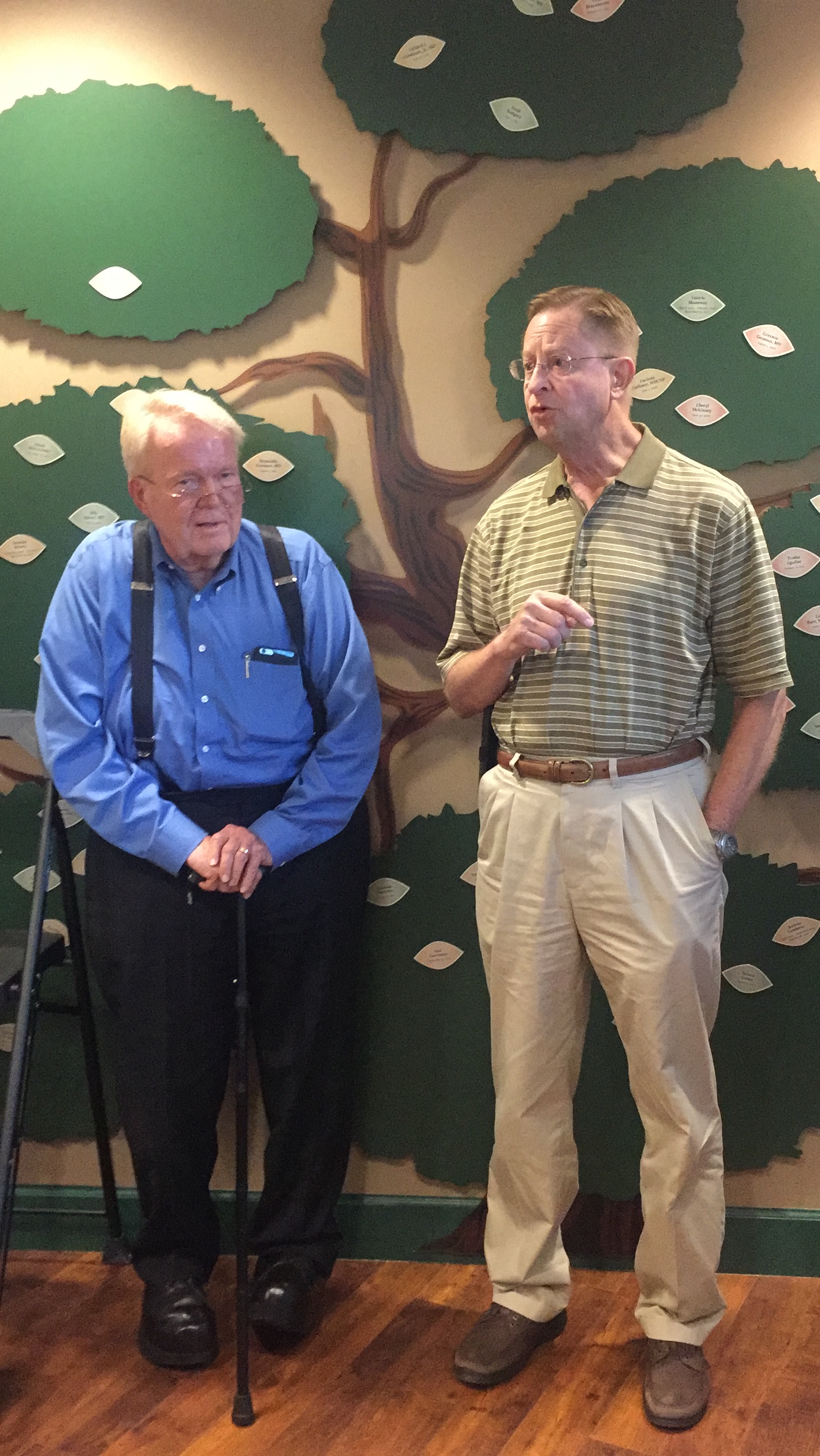
Together, they formed Drs. Goodman & Partridge, OB/GYN, Ltd. — officially incorporated as a PLLC on July 13, 1998, with Dr. Goodman as President and Dr. Partridge as Vice President.
The clinical synergy between the two physicians was profound. Throughout his career spanning over 45 years, Dr. Partridge personally oversaw more than 100,000 pregnancies. Both physicians served as Chief of Staff at Chandler Regional Medical Center — the only two OB/GYN physicians in the hospital's history to hold the position. Dr. Partridge also served twice as Chairman of the OB/GYN Department.
They were the only two OB/GYN physicians to have ever served as Chief of Staff — illustrating the dominance of their practice in the local medical hierarchy.
Deep Community Roots
The enduring success of Goodman & Partridge was not strictly clinical — it was deeply sociological. Both founders embedded themselves in the social fabric of the East Valley.
Dr. Partridge dedicated 25 years to coaching Boy Scouts of America Varsity Scouts and served as President of the Emerson Elementary School PTA. Recognizing a deficit in public health education, he frequently lectured fifth and sixth-grade students on human growth and development — demystifying reproductive health for the community's youth.
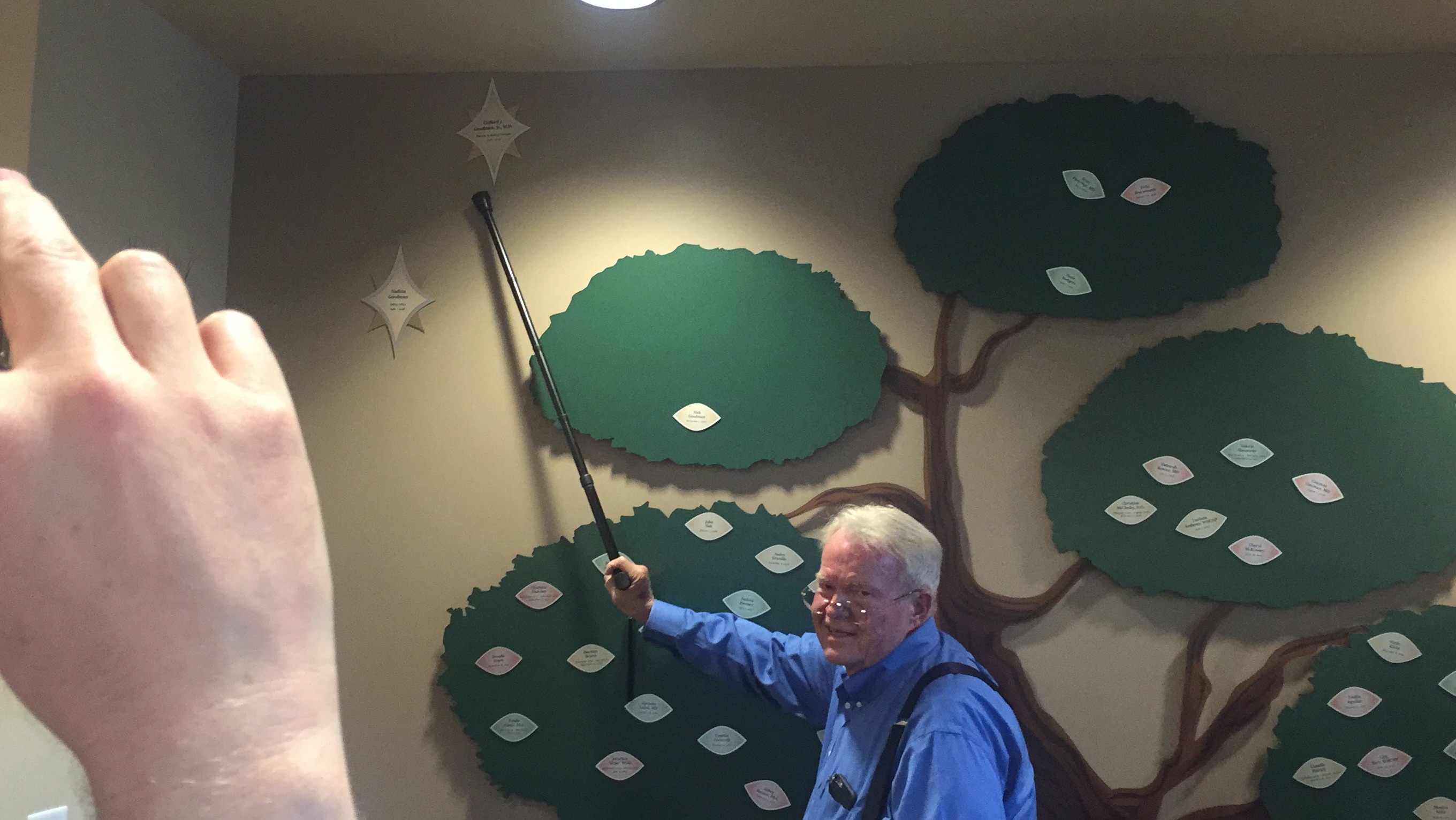
The practice contributed to local charities and civic organizations: the Pregnancy Care Center of Chandler, the Support Team for Education and Learning Associations, Mesa Public Schools, the Adopt-A-Highway program, the Two Sisters One Heart Foundation, and Women of Power International. Dr. Partridge shared 51 years of marriage with his wife Cheryl, raising five children and twenty grandchildren.
They weren't just physicians. They were neighbors.
From Partnership to Enterprise
By the turn of the millennium, the traditional partnership model faced severe macroeconomic pressures: declining insurance reimbursements, escalating administrative overhead, complex EHR implementation, and consumer demand for extended clinical hours.
Nick Goodman was appointed CEO in 2001. At the time: two physicians, one office. His stated philosophy was that alignment would be central to success — striving to preserve physician independence by acting as "Switzerland," a neutral entity capable of interfacing with massive systems like Banner Health and Dignity Health without being absorbed.
The primary hurdle was brand identity. The name "Drs. Goodman & Partridge" functioned perfectly in Chandler, but lacked the scalable universality required for a multi-city enterprise. The organization rebranded to MomDoc — designed to be accessible, memorable, and infinitely expandable.
The expansion was methodical. By the early 2010s: 150 employees. By 2014, the practice had outgrown its 50-provider EHR license — internal records show the provider count had swelled to 58, with projections reaching 65+. Today, MomDoc employs over 360 people and operates 16+ locations — the largest women's healthcare group in Arizona, with an economic impact exceeding $160 million.
Technological Vanguard
MomDoc consistently differentiated itself by aggressively adopting emerging medical technologies. The practice was the first OB/GYN organization in Arizona to offer 3D and 4D Live Motion Ultrasound — providing expectant parents with unprecedented visualization of the fetus and profound psychological reassurance compared to traditional 2D sonography.
The practice became an early adopter of robotic-assisted surgery using the da Vinci system for complex gynecological procedures including hysterectomies, myomectomies, and sacrocolpopexies. The result: enhanced surgical accuracy and dramatically reduced patient recovery times compared to traditional open abdominal surgeries.
In 2020, MomDoc rapidly deployed Virtual Visits via the eVisit platform, ensuring uninterrupted care during COVID-19. The practice's signatures "Living Room" model — which had already eliminated communal waiting areas — proved perfectly adapted for pandemic-era social distancing.
As the 50th anniversary approached, the organization undertook a massive digital restructuring: migrating from a legacy Wix platform to a modernized, serverless architecture with dynamic content generation, automated social sharing cards for all providers and locations, and provider biographies rewritten in a "magazine profile meets trusted friend's recommendation" voice.